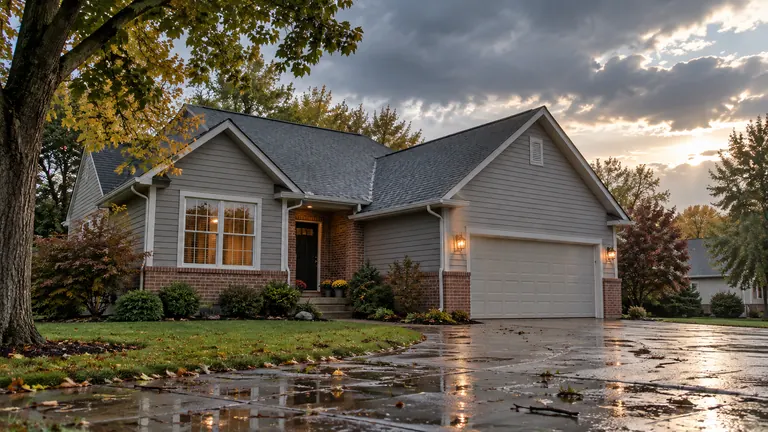
The practical starting point
After a storm, you have several jobs—not one: keep people safe, limit further damage, document the loss, understand the insurance process and commission appropriate repairs. This guide separates those decisions so an urgent leak does not force you into an unclear contract. The timing below is a planning sequence, not a promise that crews or insurers can meet a fixed deadline.
Your project, our permitting team.
Ohio Roofing Co. confirms the requirements for your address, prepares and submits required roofing applications, and coordinates reviews and inspections. The office contacts, forms, and approval checklists in this guide explain the work we handle—not tasks you need to take on yourself. We explain fees and any owner authorization or property-specific consent needed. Approval decisions remain with the responsible authority.
What to keep in mind
- Do not climb onto a damaged roof or approach downed electrical lines.
- Record observations and preserve evidence without assuming cause or coverage.
- Authorize temporary protection separately from permanent construction.
- Keep the insurer’s coverage decision and the contractor’s repair scope distinct.
During and immediately after the storm: protect people
Follow official warnings and emergency instructions for your location. Wait for safe conditions before assessing property. Damaged trees, hanging material, downed lines and unstable structures can remain hazardous after the rain stops. Do not move a line, touch equipment in contact with it, or enter a visibly damaged roof space for photographs.
If you suspect collapse, an electrical hazard or a gas leak, leave and contact emergency services or the utility from a safe location. Do not wait for a roofing appointment. A tarp, a quick exterior look or the absence of a visible leak is not clearance to occupy a damaged building.
Keep children, pets, customers and vehicles away from falling-debris areas. Roof access and temporary protection belong to qualified people with an appropriate safety plan. The owner’s role is to communicate the hazard and provide information without creating another emergency.
An owner’s response sequence when conditions are still uncertain
Begin by accounting for people, not by inspecting the roof. Follow current emergency instructions and stay away from damaged areas, downed lines, unstable trees and materials that may fall. If you suspect structural danger, leave the affected building and seek appropriate emergency assistance from a safe location. A roofing appointment is not the right first response to a life-safety emergency. Do not send an employee, tenant or family member into a questionable area to obtain photographs for a contractor or insurer.
Once immediate danger has been addressed, identify one person to coordinate property-related calls. That person should keep a simple log of who was contacted, what was reported and what happens next. Separate emergency services, utility concerns, roofing protection, restoration and insurance into distinct entries. This helps prevent assumptions that one phone call has addressed every issue. Keep access instructions clear, including any areas that remain off limits and any directions provided by emergency responders or the responsible authority.
Decide what can be documented without entering unsafe space. Exterior observations from a safe location and photographs of accessible interior symptoms may be useful, but missing a photograph is preferable to taking a risk. Avoid standing below damaged eaves or branches to obtain a better angle. Do not operate wet or damaged electrical equipment. If an area cannot be safely observed, record that limitation and let the qualified responder determine how to assess it.
Before any nonemergency contractor begins, clarify the intended task and authorization. An inspection, temporary protection and permanent reconstruction are different services. Ask the provider to explain what it proposes to do now, what it cannot determine yet and how the owner will receive findings. Retain the written authorization and contact information. This creates an orderly transition from the emergency phase to the construction decision without encouraging premature commitments while the owner is still trying to understand the condition of the property.
Understand the Ohio event without overclaiming damage
The National Weather Service offices serving Ohio publish forecasts, warnings and reports of significant weather. Use the dated report for your own area rather than assuming a storm near another city passed over your building. Straight-line wind, tornadoes and hail can call for different observations; none of those labels establishes the damage or insurance outcome for an individual property.
Wind, hail, tree impact and wind-driven rain can affect different parts of a building. Ask the assessment to distinguish those mechanisms from earlier wear, prior repairs and unrelated moisture. Regional radar, hail maps and storm reports provide context, but they cannot replace an inspection of your roof.
For a rural property, identify every affected structure separately. A house, barn, shop and detached garage may have different construction, use and insurance treatment. Do not let the first estimate for the house become the unexamined scope for all outbuildings.
Use storm information as context, not proof of a particular roof’s condition
Weather information helps establish when an event occurred and what was reported in the broader area. It does not establish the condition of every roof within a map boundary. A contractor should connect any recommendation to observations on the actual building. Ask whether a report describes measured conditions, reported damage or a modeled estimate, and avoid treating those categories as interchangeable. The property’s exposure, materials, details and earlier condition still require evaluation.
For the owner’s file, record the event date, the approximate time you noticed a problem and the source of any weather information retained. Keep that information separate from the condition photographs and assessment. A clear record might show that severe weather occurred, that water appeared in a particular room afterward, and that a professional later identified a defect. Those are related observations, but the explanation of causation should come from the qualified assessment rather than a conclusion inserted into the file before inspection.
Ohio’s wind and hail exposures also make it important to assess more than the broad roof field. Ask the professional to consider transitions, edges, penetrations and attached equipment relevant to the observed damage. A building can have a localized problem without requiring complete replacement, or a less obvious condition that needs further investigation. Do not use the amount of visible debris in the yard as the sole measure of severity. Ground observations help direct attention but do not replace a roof-specific diagnosis.
When discussing the event with an insurer, describe what you actually know and preserve uncertainty where it remains. Avoid repeating an unverified storm intensity or damage claim as a personal observation. If a contractor provides a report, ask for its source and explanation. Reliable context is useful; overstating it can make the record less clear. The goal is an accurate account that supports inspection and the policy review process, not a collection of dramatic claims intended to guarantee a particular construction or coverage outcome.
Build a clear evidence file from safe locations
Record the date and approximate time of the event, when you first observed the issue, affected rooms and visible changes. Take wide context photos before close details when both are safely accessible. Keep original files and label them by location. Avoid altering evidence to make damage appear more extensive.
Inside safe occupied areas, document stains, damaged contents and water entry. Do not open a ceiling, disturb suspect materials or enter a dangerous space to improve the record. A qualified restoration or construction professional can document concealed conditions when appropriate.
Keep earlier roof photos, inspection reports and repair records alongside the new material. A useful file distinguishes pre-existing conditions, new observations, contractor findings and insurer correspondence. If temporary work removes material, ask how its condition will be recorded and what the insurer wants retained.
| Folder | Keep |
|---|---|
| Event and property | Address, dates, weather context and roof/building identification. |
| Before and after | Original photos, prior roof records and newly observed damage. |
| Temporary protection | Written authorization, scope, photos, receipts and follow-up instructions. |
| Assessment | Labeled findings, measurements, repair options and unknown conditions. |
| Claim | Claim number, adjuster details, policy questions, estimates and correspondence. |
| Permanent work | Contract, permits, changes, completion photos and warranties. |
Create an evidence file that stays understandable months later
Use a folder structure organized by event and property, with separate areas for observations, professional reports, authorizations, invoices and insurer correspondence. Preserve original photographs and add descriptions in a separate log. A filename or caption should identify the location and date without changing the original image to imply a condition that was not visible. If someone else supplied a photograph, record who took it and what they say it shows. Distinguish their explanation from your own direct observation.
For interior water entry, record the room, approximate location, timing and whether the symptom changed. Note any earlier leak history relevant to the same area. If belongings are affected, document them only when safe and follow the insurer’s instructions for the claim process. Do not discard relevant records or materials solely to tidy the site before understanding documentation needs. At the same time, do not delay urgent qualified protection or safety measures merely to collect a more complete set of pictures.
Professional findings should identify roof areas and explain the relationship between observed conditions and proposed work. Ask for enough context to understand close-up images. A photograph of a damaged shingle with no location does not establish the quantity or distribution of damage. Request a simple roof-area map where useful. If a report contains assumptions about concealed conditions, retain that limitation rather than presenting every statement as a confirmed fact.
Maintain a communication log with dates, participants, the subject discussed and the next action. Save attachments and written decisions rather than relying on a memory of phone calls. After an important conversation, ask for clarification in writing if the scope or obligation is unclear. Keep sensitive policy and personal information restricted to the people who need it; it does not belong in a public project gallery. A well-organized file helps the owner, contractor and insurer discuss the same evidence without repeatedly reconstructing what happened during the first stressful days.
Authorize temporary protection as its own job
When conditions permit, ask a qualified contractor what temporary measures are appropriate. Tarping is not a do-it-yourself instruction in this guide: roof access, electrical hazards and weakened structure require a professional plan. Ask how the proposed measure affects later permanent work.
Before authorizing, get the scope, price, limitations and follow-up responsibility in writing. Identify the affected roof areas, expected duration, inspection or revisit plan and what happens after another storm. An emergency authorization should not quietly commit you to an undefined whole-roof replacement.
Ask your insurer about reasonable protective measures, documentation and reimbursement under the policy. Do not delay action needed to protect people, but do not assume every emergency expense is covered. Keep receipts and obtain clarification when the requested scope or cost is unclear.
- Name and contact details of the company doing the temporary work.
- Specific areas to protect and any inaccessible or unsafe areas.
- Price or agreed pricing method and authorization limit.
- Who checks the protection and responds to another leak.
- How temporary work connects to assessment and permanent repair.
Treat temporary protection as a small, clearly defined project
Ask the provider to identify the immediate purpose of the work: limiting water entry, covering an opening or another specific protective task. The authorization should describe the affected area, expected work, price or pricing method and known limits. Clarify whether the visit includes an assessment of the broader roof or only the protective measure. A temporary-work document should not leave the owner guessing whether it also commits them to a permanent replacement contract.
The professional should determine safe access and the appropriate protection for the actual conditions. Owners should not improvise tarp installation on a damaged roof or direct untrained workers to perform it. Ask how the provider will document the work from a safe professional position and how the building will be left at the end of the visit. If a condition cannot be protected as anticipated, request a clear explanation and the next appropriate step rather than assuming the initial visit has made the entire property secure.
A temporary measure requires follow-through. Record who monitors its condition, how to report renewed water entry and what happens if permanent work is delayed. Ask about weather limitations and whether a return visit may be needed. Do not treat “temporary” as a defined lifespan or a promise that no further attention will be necessary. Keep the authorization, photographs and invoice together so the later contractor understands what was installed and what remains unresolved.
When transitioning to permanent work, include removal or treatment of the temporary protection in the scope. Ask whether additional investigation is needed once conditions permit and whether the original diagnosis has changed. Keep insurer documentation separate from the construction decision: reimbursement, coverage and required evidence depend on the policy and review. The owner should understand both the practical protection plan and the financial obligation without assuming that either a contractor’s assurance or an emergency circumstance guarantees payment by another party.
Request a roof-system assessment, not just hail photos
Ask for coverage of the roof field, edges, flashings, penetrations, gutters or drains, and relevant supporting conditions. Each finding should identify a location and explain whether it affects performance, appearance or both. On commercial buildings, include rooftop equipment and coordinate other trades where needed.
Hail marks on one accessory do not establish the condition of every roof component. Ask what evidence supports repair, replacement or further testing. A contractor should be able to explain how material type, existing condition and damage distribution influence the recommendation.
Do not require an assessor to promise certainty where the assembly remains concealed. Instead, request a defined investigation and a process for new findings after opening. A report that clearly states its limits is more useful than one that implies an aerial photo settles every question.
Ask for a repairability assessment as well as a damage list
A damage list describes observations; a repairability assessment explains what can reasonably be done about them. Ask the contractor to distinguish isolated defects from repeated conditions and to describe the condition of material that would remain. If replacement is recommended, request an explanation of why a smaller scope would not meet the objective. If repair is recommended, ask how new work will connect to the retained assembly and what uncertainty remains outside the repair boundary.
Material and assembly matter. An asphalt-shingle slope, a metal roof and a low-slope membrane require different assessment and repair methods. The owner should not assume that a dent, mark or visible irregularity has the same significance across those systems. Ask the professional to explain the functional concern and the evidence supporting it. Avoid demanding a particular conclusion based only on a sales presentation, an online photograph or the fact that a neighboring property received a replacement.
Ask whether the inspection could evaluate supporting materials and concealed moisture. If not, the report should describe those limits and any recommended investigation. A storm-related covering defect can coexist with older deterioration or another building problem. The construction scope should address the documented conditions accurately, while the insurer separately determines coverage under the policy. Do not ask the contractor to relabel every discovered condition as storm damage merely to fit an anticipated claim.
End the assessment with a prioritized action list: immediate qualified protection, additional investigation, permanent work and monitoring. Request a proposed scope that identifies retained and replaced areas, transitions, deck contingencies and any other trades needed. This gives the owner a practical next step even when not every question is resolved at the first visit. It also makes a second opinion more useful, because the next assessor can evaluate the specific evidence and proposed remedy rather than responding to an unexplained statement that the roof is “totaled.”
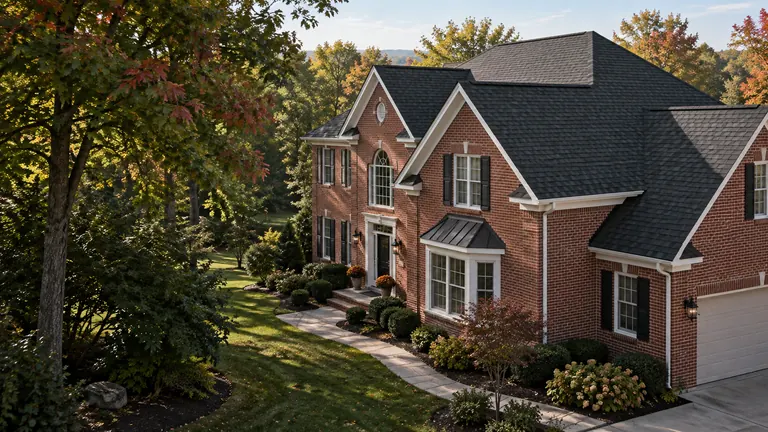
Contact the insurer and ask the right coverage questions
Use the claims channel provided by your insurer or agent. Give factual observations and request the claim number, next steps and documentation requirements. Ask about reporting deadlines, inspections and the obligations that apply to further damage prevention. Do not rely on a roofer’s statement about what your policy will pay.
Have the policy and any roof-specific endorsements available. Ask the insurer to identify the applicable deductible, valuation method, exclusions, limits and any requirements for payment after repairs. If you do not understand the explanation, request it in writing.
Ask your insurer or licensed agent to explain how the policy treats the documented damage and any proposed material upgrade. A product may have a tested impact classification without making the whole roof immune to hail. Verify any premium change or discount directly with the insurer before purchasing an upgrade on that basis. Do not treat a contractor’s sales description as a coverage decision.
- What policy provisions apply to this roof and reported event?
- Is there a separate wind/hail deductible or roof endorsement?
- Which protective expenses should I document and submit?
- What evidence is needed before materials are removed?
- What deadlines and completion documents apply to further payment?
- Who reviews additional damage discovered during authorized work?
Keep the claim process and the building contract coordinated but distinct
Contact the insurer through its official channel and ask what information is needed to begin the review. Record the claim reference, assigned contact and any stated deadlines or documentation requirements. Read the applicable policy and endorsements with the insurer or a qualified adviser where necessary. A contractor can supply findings and an estimate, but its construction recommendation does not itself determine coverage. Keep these roles clear so a technical disagreement is not mistaken for a final policy decision.
Ask the insurer how it wants additional evidence submitted and how it communicates its decisions. Provide accurate records and identify any material uncertainty. If an estimate or report changes, retain the earlier version and explain the update. Do not assume that uploading a document means the insurer has accepted every item in it. Ask for the status of significant unresolved questions before treating an anticipated payment as available funding for a construction commitment.
Review the contractor’s agreement independently. Identify what triggers authorization, what you owe if coverage is different from expected, and whether any separate inspection or temporary-work charge applies. Ask for clarification of unfamiliar terms, including any document affecting control of a claim or payments. Obtain appropriate advice if you do not understand the obligation. Avoid signing solely because a salesperson says the insurer will certainly pay or because the document is described as routine paperwork.
Use one scope comparison to connect the processes without collapsing them together. List the contractor’s proposed work, the insurer’s currently documented position and any owner-selected additions. Mark unresolved differences and the evidence needed to address them. This gives the owner a practical way to track progress while preserving the distinction between building needs, policy coverage and optional improvements. The final construction decision should be made with a clear understanding of the accepted scope and payment responsibility, not an assumption that every discussion has already become an approval.
Read the estimate and settlement as separate documents
An insurer’s estimate describes an assessed covered scope and pricing; a contractor’s proposal describes work that contractor is willing to perform under its contract. Compare the locations, quantities, materials and operations. A difference can involve scope, measurement, code requirements, pricing, an exclusion or an owner-selected upgrade.
Ask your insurer to identify the settlement basis for the roof, the applicable deductible, exclusions, endorsements and any conditions for later payment. Do not infer that the first payment is either final or sufficient for the contractor’s complete scope. Keep coverage questions with the insurer or an appropriately qualified adviser; the Ohio Department of Insurance is a starting point for consumer insurance assistance.
If necessary work appears omitted, ask the contractor for a documented explanation with supporting evidence. Submit it through the insurer’s process. A requested supplement is not an approved payment, and signing a construction change order can create an owner obligation before the insurer decides.
Read an estimate and payment explanation line by line
Ask the insurer to explain the documents it provides in ordinary language. Identify the scope it has evaluated, the settlement basis, any deductible, applicable limitations and any conditions affecting further payment. Keep the explanation linked to the actual policy and endorsements. General descriptions of actual cash value and replacement cost are useful background, but they do not establish how a particular claim will be calculated. Do not substitute a contractor’s shorthand for the insurer’s written explanation.
Separate quantities and construction details from coverage questions. A disagreement about the measured roof area is different from a disagreement about whether a particular condition is covered. Ask the contractor to identify the exact line item and supporting evidence when it believes the construction estimate is incomplete. Ask the insurer what review process applies. This focused approach is more useful than a general claim that the estimate is too low, because each disputed item has a defined question and a possible next step.
Treat owner-selected upgrades as a separate decision. A different material, added equipment or unrelated improvement may be desirable, but it should be identified and priced clearly rather than assumed to be part of covered restoration. Ask how changes affect the contractor’s price, approvals and schedule. If the owner wants an alternative, compare it against the documented base scope so the additional obligation is understandable. Avoid accepting a single unexplained number that combines deductibles, exclusions, upgrades and financing.
Keep track of actual payments and remaining obligations in a simple ledger. Record who paid, the date, the purpose and any condition attached to further payment. Ask the insurer what completion evidence it needs and keep proof that it was submitted. A contractor invoice and an insurer estimate need not have identical purposes, so ask for reconciliation rather than assuming they must automatically match. For unresolved questions with significant financial consequences, seek qualified guidance before treating an expected settlement as a guaranteed budget.
Screen storm-repair offers before signing
Verify the business name, any required local contractor registration and insurance documentation. Ask for a written scope and identify who will supervise the crew and respond after the storm surge passes. A local-looking phone number or vehicle is not a substitute for checking the business.
Pause when a salesperson promises guaranteed coverage, demands most of the money immediately, presents blank documents or discourages you from contacting your insurer. The Ohio Attorney General recommends written terms, comparison and caution with high-pressure disaster-repair offers.
Read inspection authorizations, contingency agreements, financing terms and any proposed assignment of rights carefully. If a document changes who controls a claim or receives payment, get an explanation from your insurer or an appropriate legal professional before signing. This guide does not interpret your contract or supply a cancellation deadline.
A storm-season contractor screening conversation
Ask for the business name that will appear on the contract, the responsible contact and the person supervising the actual work. Check relevant registration information through official resources and request current insurance documentation appropriate to the work. Confirm whether subcontractors are involved and how the company manages their work. Registration and insurance are not guarantees of quality, but inconsistencies between the advertised name, contract and documentation are questions to resolve before authorizing a project.
Request examples of comparable work and ask about the process, not only the appearance of the finished roof. How does the company document concealed damage? Who communicates weather delays? How are occupied entrances protected? What happens if another trade is needed? A useful conversation gives specific answers tied to your property. Be cautious if every question is redirected to a promised insurance result or a deadline for signing rather than the construction responsibilities you are trying to understand.
Ask for a written proposal identifying the permanent scope, exclusions, materials, payment milestones, change process and warranties. Keep temporary protection separate where possible. Read any cancellation or contingency provisions carefully and obtain advice if needed; do not rely on a universal deadline quoted in an online guide. The owner should know what agreement is being made and under which conditions it becomes binding. Avoid blank or incomplete forms and retain the exact signed version.
During periods of widespread storm damage, availability can be constrained. Ask for realistic scheduling and a plan for maintaining temporary protection while waiting. A shorter promised start date is not necessarily the best choice if the proposal leaves major responsibilities undefined. Compare complete scopes and documented processes. The aim is to choose a provider who can explain the work, communicate uncertainty and produce a usable record, rather than one whose sales pitch suggests that a dramatic weather event removes the need for ordinary care in selecting a contractor.
Rebuild the permanent scope around the evidence
Once investigation and coverage discussions clarify the work, we prepare a construction scope identifying retained and replaced areas, products, flashings, deck contingencies, drainage and closeout. Our team handles permit checks, required applications and inspection coordination, including any applicable emergency-work notifications. Owner-funded upgrades are listed separately.
We confirm local requirements even after a declared disaster. Covering replacement, structural repairs and equipment work may require different submissions or inspections. Our team contacts the office and handles the roofing notifications, applications and inspection coordination for emergency stabilization and permanent reconstruction.
After widespread Ohio storms, material and labor availability can affect the schedule. Ask for realistic milestones and a plan to maintain temporary protection during delays. Avoid choosing a materially different product merely because it is available without revisiting compatibility, approvals and warranty terms.
A preconstruction meeting after the claim discussion
Before permanent work starts, our team brings the accepted scope, current approval documents and known site conditions into one project discussion. Confirm which roof areas are included, what will be removed, which transitions are rebuilt and how concealed deterioration will be handled. Identify owner-selected upgrades separately. The contractor should explain the work it is authorized to perform, not rely on a general understanding that “the insurance roof” includes every item discussed over several weeks.
Review deliveries, debris removal, parking, landscaping and occupant access. For a business, include operating hours, sensitive contents and equipment coordination. For a rural property, identify travel and delivery constraints and any areas involving animals or essential farm operations. Ask how daily weather protection will be maintained and who communicates a schedule change. These details are especially important when many contractors and suppliers are responding to the same regional event.
Confirm how new findings will be recorded. A change should identify the condition, the proposed work, the price or pricing method and the required authorization. If it affects a permit determination, we handle the application update and office coordination separately from any insurer review. A change order is not automatic approval by either authority. Our team arranges required inspections, keeps affected work visible and protects the building while a decision is pending.
At the end of the meeting, each unresolved item should have a responsible person and a next step. Our team handles equipment coordination and revised roofing permit documents, while you decide on proposed material alternatives and any changes to your agreed scope or price. Do not let a scheduled delivery create pressure to proceed past a significant unresolved condition. A clear preconstruction record supports the crew once work begins and gives the owner a reliable way to distinguish an ordinary field adjustment from a material change in the agreed scope or obligation.
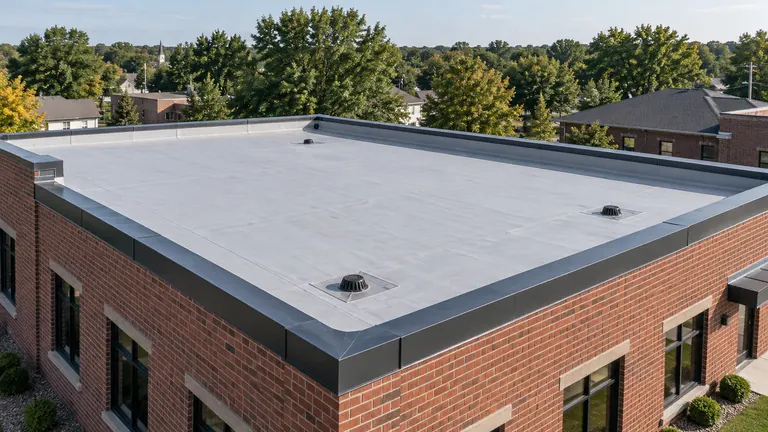
Add an operations plan for businesses, rentals and farms
Assign one person to receive reports, approve work and communicate with occupants. Identify critical rooms, inventory, equipment and access routes. Tenants and employees should report water entry without accessing the roof or moving damaged electrical equipment.
Coordinate roofers, restoration crews, electricians, HVAC contractors and other specialists. Record who is responsible for temporary protection, equipment shutdowns, roof penetrations and restart checks. Do not assume one trade’s completion means the building is safe for every operation.
For agricultural properties, identify use and contents separately for each structure and confirm access for deliveries and emergency services. Ask the insurer about the relevant policy and building schedule rather than assuming a homeowner policy treats a working farm building like a detached residential garage.
Close the claim and the construction project deliberately
We provide final photos, invoices, approved changes, warranty documents and applicable permit closure for your records. Ask the insurer what completion evidence it requires and keep proof of submission. Resolve the contractor’s punch list separately from the insurer’s payment process.
Document how the roof performs after subsequent weather from safe locations. If a leak recurs, note the timing and location and contact the responsible contractor promptly. Keep a temporary fix from becoming the unrecorded final condition.
Before the next storm season, update the roof record and emergency contacts, arrange recommended maintenance and discuss any unresolved vulnerabilities. An accurate baseline makes the next assessment easier and reduces dependence on memory during an emergency.
Prepare for the next event without overstating what this repair proves
Collect the final construction record before archiving the claim file. Include the scope actually performed, approved changes, photographs, warranties, maintenance instructions and applicable permit closure. Ask the contractor to identify any retained condition that still needs monitoring or separate work. If equipment was disconnected or moved, confirm the relevant trade’s completion and checks. One roofing invoice does not necessarily close every task involving the building.
Keep insurer completion requirements on a separate checklist. Ask which documents remain outstanding and retain proof of submission. Record actual decisions and payments rather than assuming the contractor’s final statement settles every claim issue. If a dispute remains, preserve the supporting records and use the appropriate review or advice channel. The owner’s file should make it possible to understand what is complete in construction and what is complete in the policy process without mixing the two.
Update the baseline roof record after the work. Record the areas repaired or replaced and the date of the work as documented by the contractor. Note observations after later weather from safe locations and report recurring symptoms promptly. A period without visible leakage is useful information, but not a guarantee of indefinite performance or proof that every concealed condition was resolved. Keep the maintenance plan and future assessment dates connected to the actual assembly and warranty requirements.
Before the next severe-weather season, update emergency contacts, review access arrangements and make sure the people using the building know how to report a concern. Businesses should identify an alternate decision-maker if the facilities lead is unavailable. Homeowners should know where the roof and insurance records are stored. The most valuable preparation is a clear baseline, accessible documents and an agreed response process—not an assumption that a new roof is storm proof or that a previous claim guarantees the outcome of the next one.
Common questions
Should I get onto the roof to photograph hail damage?
No. Document what you can safely observe from the ground and safe indoor locations. Roof access and close assessment belong to qualified professionals, especially after a storm.
Does a hail map prove my roof needs replacement?
No. It provides event context, not a diagnosis of a particular roof. Material condition, actual damage, repairability and the policy’s coverage determination require separate evaluation.
Can I approve a tarp without choosing the permanent roofer?
Ask for a separate temporary-work authorization with clear price and limits. Read the document before signing; do not assume an emergency form has no additional commitments.
Will insurance pay the entire replacement cost?
That depends on the policy, endorsements, covered scope, deductible, limits and settlement conditions. Ask the insurer for a written explanation. No contractor or guide can guarantee the outcome.
What if the roofer and adjuster disagree?
Ask each to identify the precise scope or evidence in dispute. Submit documented findings through the insurer’s review process. For unresolved coverage or contract issues, contact the Ohio Department of Insurance or an appropriate qualified adviser rather than relying on a promised result.
Should I sign a contract offering a “free roof”?
First obtain a clear explanation of coverage, deductibles, upgrades, financing and your payment obligations. Do not sign a contract you do not understand or make inaccurate statements to the insurer. A sales description is not a policy determination.
Sources & editorial notes
Resources checked September 9, 2026. Rules and linked documents can change; our team confirms current requirements with the responsible office for your project. Ohio Roofing Co. editorial prepared this owner-focused guide using government and industry resources. It is not an engineer-reviewed design, legal opinion, insurance determination or permit approval. Examples and worksheets are planning aids, not customer projects or price estimates.
- National Weather Service: severe thunderstorm safety
- OSHA: construction fall and roofing safety (PDF)
- NWS Wilmington: Ohio forecasts and event information
- Ohio Department of Insurance: coverage questions
- Cincinnati: local contractor registration
- Ohio Attorney General: storm repairs and contract precautions